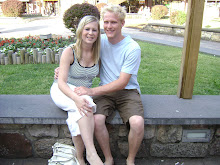
After concluding my Educational Technology class I have learned many ways to incorporate technology into the classroom.
My Educational Technology class through Walden University has helped me in many ways. The first way, I have learned to use Web 2.0 tools in my own sixth grade classroom. I have learned the benefits and struggles when using these types of tools in my class. I have learned how wonderful it is to incorporate these tools and how much it really does benefit the learning of my students. I even got the opportunity to teach my students how to create their own blogs and it was a huge success! I have also learned to change my view on teaching, I now know the importance of teaching 21st century skills, I am more aware of the important skills that students need to learn to be successful.
I believe I have deepened my knowledge of teaching and learning in several ways. The first way, I feel that I am much more comfortable and knowledgable when it comes to knowing how technology can improve both teaching methods and learning for students. I have learned that technology can really add to student's learning and truly teaches them skills that they will need to be successful in the workforce someday.
Throughout this course my teaching perspective as altered. Prior to this course I hoovered around the idea of having a class where the teacher is the focus- talking and lecturing. Now, I have moved to the idea of a learning-centered classroom. I always believed that learning needs to take place in a hands-on student way, but was never sure how to implement that idea. Now, I feel that students need to have amble opportunities to explore and use technological resources to learn.
I will continue to increase student achievement by implementing many of the tools I have learned throughout this course. I will continue to teach my students to be critical thinkers, I want them to be active in the classroom and seek out information, even colloborating through tools like blogs. I will continue to learn by working on my masters and researching effective methods to teaching.
My first long term goal: I woud like to ensure that all students are fimiliar with using Web 2.0 tools- such as blogging, wiki, podcasting, and many others by the time they finish sixth grade. I want to implement these tools in my classroom while teaching and have students use them in their own projects.
My second goal: I hope to improve my student's 21st century skills. I want to constantly help my students learn and become better equipped citizens. It is my hope that all of my students have every opportunity available when they graduate, I don't want to limit any student's dreams or hopes.
Overall, this course has helped me greatly. I believe that because of this course I will be a better teacher. I am hoping to continually improve on my own teaching methods and my ultimate goal is always to increase student learning and enjoyment of learning.
Tuesday, October 27, 2009

Thursday, October 8, 2009
Technology Survey- Podcast
Here is an interview I conducted with my students about their use of technology :)
Click on the following link to view my podcast, enjoy!
http://www.teachertube.com/viewVideo.php?video_id=133573&title=Technology_Interview&ref=stubergan
Click on the following link to view my podcast, enjoy!
http://www.teachertube.com/viewVideo.php?video_id=133573&title=Technology_Interview&ref=stubergan
Tuesday, October 6, 2009

Wednesday, September 30, 2009
21st Century Skills
The 21st Century Skills website is a great tool for educators and other people to view on the skills that students should be taught and need in order to be a successful adult.
The website provides a framework for the skills students need in this everchanging society. Personally, I believe that this website is a great tool for educators and for parents to learn about the challenges and the important ideas and concepts students need. The skills are divided into themes- for core subject: global awareness, financial literacy, civic literacy, and health literacy.
These seem like practical core subjects that would truly address the issues people are having when they graduate. I believe Social Studies would fall under the "global awareness" umbrella. I think that a lot of the information that students are currently being taught is a waste of time for educators and the students themselves. To change the entire format of education would be difficult, to say the least. I think that the way people and society view "what they learn in school" as being useless, often times. However, people need skils to be successful, the skills that are necessary would be taught under what the 21st century group has put together.
Below is a list of these skills the group has set:
Core Subjects and 21st Century Themes
Mastery of core subjects and 21st century themes is essential for students in the 21st century. Core
subjects include English, reading or language arts, world languages, arts, mathematics, economics, science,
geography, history, government and civics.
We believe schools must move beyond a focus on basic competency in core subjects to promoting
understanding of academic content at much higher levels by weaving 21st century interdisciplinary
themes into core subjects:
• Global Awareness
• Financial, Economic, Business and Entrepreneurial Literacy
• Civic Literacy
• Health Literacy
Learning and Innovation Skills
Learning and innovation skills are what separate students who are prepared for increasingly complex life
and work environments in the 21st century and those who are not. They include:
• Creativity and Innovation
• Critical Thinking and Problem Solving
• Communication and Collaboration
Information, Media and Technology Skills
People in the 21st century live in a technology and media-driven environment, marked by access to an
abundance of information, rapid changes in technology tools and the ability to collaborate and make
individual contributions on an unprecedented scale. To be effective in the 21st century, citizens and
workers must be able to exhibit a range of functional and critical thinking skills, such as:
• Information Literacy
• Media Literacy
• ICT (Information, Communications and Technology) Literacy
Life and Career Skills
Today’s life and work environments require far more than thinking skills and content knowledge. The ability
to navigate the complex life and work environments in the globally competitive information age requires
students to pay rigorous attention to developing adequate life and career skills, such as:
• Flexibility and Adaptability
• Initiative and Self-Direction
• Social and Cross-Cultural Skills
• Productivity and Accountability
• Leadership and Responsibility
2 1 S T C E N T U RY S U P P O R T S Y S T E M S
Developing a comprehensive framework for 21st century learning requires more than identifying specific
skills, content knowledge, expertise and literacies. An innovative support system must be created to help
students master the multi-dimensional abilities required of them in the 21st century. The Partnership has
identified five critical support systems that ensure student mastery of 21st century skills:
• 21st Century Standards
• Assessments of 21st Century Skills
• 21st Century Curriculum and Instruction
• 21st Century Professional Development
• 21st Century Learning Environments
Overall, I see several implication with teaching this way,
First, several people will not want to do things the "new" way.
Parents will be confused and unsure as to why their kids need this and they did not, several year ago.
But, I see several benefits with teaching our students these skills, first they will be more prepared for the workforce and the ever changing world. Secondly, they will learn better, students have changed and the ways they learn are different. Students need a new approach to learning, this is a wonderful opportunity and resource for teachers to give them the encouragment they need to continue.
The website provides a framework for the skills students need in this everchanging society. Personally, I believe that this website is a great tool for educators and for parents to learn about the challenges and the important ideas and concepts students need. The skills are divided into themes- for core subject: global awareness, financial literacy, civic literacy, and health literacy.
These seem like practical core subjects that would truly address the issues people are having when they graduate. I believe Social Studies would fall under the "global awareness" umbrella. I think that a lot of the information that students are currently being taught is a waste of time for educators and the students themselves. To change the entire format of education would be difficult, to say the least. I think that the way people and society view "what they learn in school" as being useless, often times. However, people need skils to be successful, the skills that are necessary would be taught under what the 21st century group has put together.
Below is a list of these skills the group has set:
Core Subjects and 21st Century Themes
Mastery of core subjects and 21st century themes is essential for students in the 21st century. Core
subjects include English, reading or language arts, world languages, arts, mathematics, economics, science,
geography, history, government and civics.
We believe schools must move beyond a focus on basic competency in core subjects to promoting
understanding of academic content at much higher levels by weaving 21st century interdisciplinary
themes into core subjects:
• Global Awareness
• Financial, Economic, Business and Entrepreneurial Literacy
• Civic Literacy
• Health Literacy
Learning and Innovation Skills
Learning and innovation skills are what separate students who are prepared for increasingly complex life
and work environments in the 21st century and those who are not. They include:
• Creativity and Innovation
• Critical Thinking and Problem Solving
• Communication and Collaboration
Information, Media and Technology Skills
People in the 21st century live in a technology and media-driven environment, marked by access to an
abundance of information, rapid changes in technology tools and the ability to collaborate and make
individual contributions on an unprecedented scale. To be effective in the 21st century, citizens and
workers must be able to exhibit a range of functional and critical thinking skills, such as:
• Information Literacy
• Media Literacy
• ICT (Information, Communications and Technology) Literacy
Life and Career Skills
Today’s life and work environments require far more than thinking skills and content knowledge. The ability
to navigate the complex life and work environments in the globally competitive information age requires
students to pay rigorous attention to developing adequate life and career skills, such as:
• Flexibility and Adaptability
• Initiative and Self-Direction
• Social and Cross-Cultural Skills
• Productivity and Accountability
• Leadership and Responsibility
2 1 S T C E N T U RY S U P P O R T S Y S T E M S
Developing a comprehensive framework for 21st century learning requires more than identifying specific
skills, content knowledge, expertise and literacies. An innovative support system must be created to help
students master the multi-dimensional abilities required of them in the 21st century. The Partnership has
identified five critical support systems that ensure student mastery of 21st century skills:
• 21st Century Standards
• Assessments of 21st Century Skills
• 21st Century Curriculum and Instruction
• 21st Century Professional Development
• 21st Century Learning Environments
Overall, I see several implication with teaching this way,
First, several people will not want to do things the "new" way.
Parents will be confused and unsure as to why their kids need this and they did not, several year ago.
But, I see several benefits with teaching our students these skills, first they will be more prepared for the workforce and the ever changing world. Secondly, they will learn better, students have changed and the ways they learn are different. Students need a new approach to learning, this is a wonderful opportunity and resource for teachers to give them the encouragment they need to continue.
Wednesday, September 16, 2009
Using Blogs in The Classroom
Using a blog in the classroom can be very beneficial for teachers and students. There are several ways that a teacher can incorporate using a blog and use it effectively.
1.) Use a blog instead of paper for responses- such as literature circle questions.
2.) Have students interact with other students around the world thru blogging- give them topics to dicuss as groups.
3.) Encourage students to research blogs to learn about different points of view of any give subject (social studies related)
Overall, I believe that possibilites with using a blog are endless. I believe that students truly enjoy blogging and it really saves teachers the hassle of pencil paper grading, and is environmentally friendly. I have found that since I started blogging with my students, we are collecting a lot less papers.
Currently, my students are using our classroom blog for literature circle questions. I post a question, and they respond, similar to what we do every week in our master class.
I believe using a blog truly enhances the overall lesson, it can be used as an extension, students are able to work at their own pace and recieve feedback immediatley, research shows that feedback is crucial.
I hope to using blogging as a tool in my classroom for years to come.
1.) Use a blog instead of paper for responses- such as literature circle questions.
2.) Have students interact with other students around the world thru blogging- give them topics to dicuss as groups.
3.) Encourage students to research blogs to learn about different points of view of any give subject (social studies related)
Overall, I believe that possibilites with using a blog are endless. I believe that students truly enjoy blogging and it really saves teachers the hassle of pencil paper grading, and is environmentally friendly. I have found that since I started blogging with my students, we are collecting a lot less papers.
Currently, my students are using our classroom blog for literature circle questions. I post a question, and they respond, similar to what we do every week in our master class.
I believe using a blog truly enhances the overall lesson, it can be used as an extension, students are able to work at their own pace and recieve feedback immediatley, research shows that feedback is crucial.
I hope to using blogging as a tool in my classroom for years to come.
Sunday, September 13, 2009

The picture above was taken with my class last year at Shedd's Aquarium. This year, we are planning another hands-on field trip with our sixth grade. We are working on engaging students thru technology and hands-on field trips throughout the school year. I am very excited to begin planning for this upcoming trip and looking for ways and engage students and incorporate technology.
Hello Everyone
Hello All,
My name is Shaina Tubergan. I am a sixth grade teacher in Gobles, Michigan. In 2008 I graduated from Western Michigan University with a degree in Elementary Education. Currently I am enrolled in a master's program thru Walden University. I am very excited to be furthering my education and learning new skills and ideas that I can incorporate into my classroom.
My name is Shaina Tubergan. I am a sixth grade teacher in Gobles, Michigan. In 2008 I graduated from Western Michigan University with a degree in Elementary Education. Currently I am enrolled in a master's program thru Walden University. I am very excited to be furthering my education and learning new skills and ideas that I can incorporate into my classroom.
Subscribe to:
Comments (Atom)